You know what type of piano fits your lifestyle in Part 2. Now let’s talk about what it actually costs—beyond the price tag.
In This Guide:
What Pianos Cost in Malaysia
In Malaysia, pianos typically range from under RM 2,000 to well over RM 50,000. Most beginners tend to fall between RM 3,000 and RM 20,000—but your budget should reflect your commitment, not just what’s on sale.
Prices vary depending on brand, condition, and market availability, but these ranges reflect what most buyers can expect today.
The critical truth: A cheaper piano can cost more over time, depending on what you choose. Ongoing maintenance matters as much as the initial purchase price.
Price Tiers: What You Actually Get
Here’s what different budget ranges actually give you—and where each makes sense.
RM 1,500 – RM 3,500: Entry-Level Digital
| What You Get | Limitations | Best For |
|---|---|---|
| Digital: 88 weighted keys, basic touch response, adequate sound sampling, portable design | Limited key action for developing advanced technique, basic sound quality, minimal features | Testing commitment, students starting out, casual learners, apartment dwellers needing headphones |
Examples: Yamaha P-45/P-125, Roland FP-10/FP-30X, Mayga MP-100, Casio CDP-S series
No acoustic pianos at this price point – New acoustic pianos under RM 3,500 lack the quality needed for proper learning.
RM 3,500 – RM 8,000: The Sweet Spot for Most Learners
| Piano Type | What You Get | Limitations | Best For |
|---|---|---|---|
| Digital | Console-style furniture cabinet, better key action, quality sound sampling, recording features, metronome | Still can’t match acoustic touch and tone complexity | Committed hobby players, students with regular lessons, those needing headphone capability |
| Acoustic | Entry-level uprights (118-121cm), basic but functional | Limited bass depth, may need immediate maintenance | Students in landed properties with daytime practice hours, families committed to acoustic learning |
Digital examples: Yamaha YDP-165, Kawai KDP-120, Mayga MH-20/CX-200, Roland RP-701
Acoustic examples: Schonbrunn XO1 (120cm new), quality used Yamaha/Kawai (5–10 years old)
Most adult learners never outgrow this tier.
This range offers 80% of the experience for 40% of the premium pricing.
RM 8,000 – RM 18,000: Serious Student Territory
| Piano Type | What You Get | Limitations | Best For |
|---|---|---|---|
| Digital | Premium actions (wooden keys available), escapement simulation, concert grand sampling, excellent dynamics | Won’t fully replace acoustic for advanced classical study | Serious students working toward Grade 6-8, players practicing 1+ hour daily, those wanting premium digital experience |
| Acoustic | Quality uprights (118-126cm), responsive action, richer tone, established brands | Requires regular tuning (RM 500-800/year), sensitive to humidity | Classical students preparing for exams, advancing players, long-term commitment proven |
Digital examples: Yamaha CLP-745, Kawai CA49, Mayga MH-60W (wooden keys), Roland LX-6
Acoustic examples: Yamaha U1/U3 (used), Kawai K-200, Wilh. Steinberg AT-K18/AT-K23, Schonbrunn XO126
This is the transition point – Where you move from “learning piano” to “being a pianist.”
RM 18,000 – RM 40,000: Advanced & Professional
| Piano Type | What You Get | Limitations | Best For |
|---|---|---|---|
| Digital | Top-tier modeling, wooden keys, premium speakers, concert-level sampling | The best digital still can’t fully replace acoustic touch for professional classical work | Advanced students (diploma level), teachers, serious hobbyists who can appreciate the difference |
| Acoustic | Quality uprights (126cm+), baby grands (5’0″-5’7″), professional-grade construction, concert-level potential | High maintenance costs, requires proper room space and climate control | Advanced classical students, conservatory preparation, professional pianists, piano teachers |
Digital examples: Yamaha CLP-785/795GP, Kawai CA79/CA99, Mayga GP-70 (digital grand), Roland LX-708
Acoustic examples: Yamaha U3/U5/GB1K, Kawai K-300+/baby grands, Wilh. Steinberg P-125E/AT-K30, Schonbrunn XO132
Don’t buy in this range unless you’re already at Grade 7+ or have professional goals. The difference is real, but only perceptible to advanced players.
Some models in this range come in a grand-piano cabinet format (digital grands) — same technology, different form factor.
RM 40,000+: Grand Piano Territory
| Piano Type | What You Get | Best For |
|---|---|---|
| Acoustic Grands | Baby grands (5’0″+), premium European uprights, investment-grade instruments, heirloom quality | Professional concert pianists, conservatory faculty, serious collectors, lifetime investment buyers |
Examples: Yamaha C1X/C2X/C3X, Kawai GL-10/GL-20, Wilh. Steinberg grands, Boston GP series, Entry Steinway/Bösendorfer (RM 100k+)
If you have to ask whether you need this, you probably don’t. This tier is for players with 10+ years of serious study and clear professional direction.
Understanding Value Brands
While Yamaha, Kawai, and Roland dominate the market, three brands we bring to Malaysia offer exceptional quality-to-price ratios:
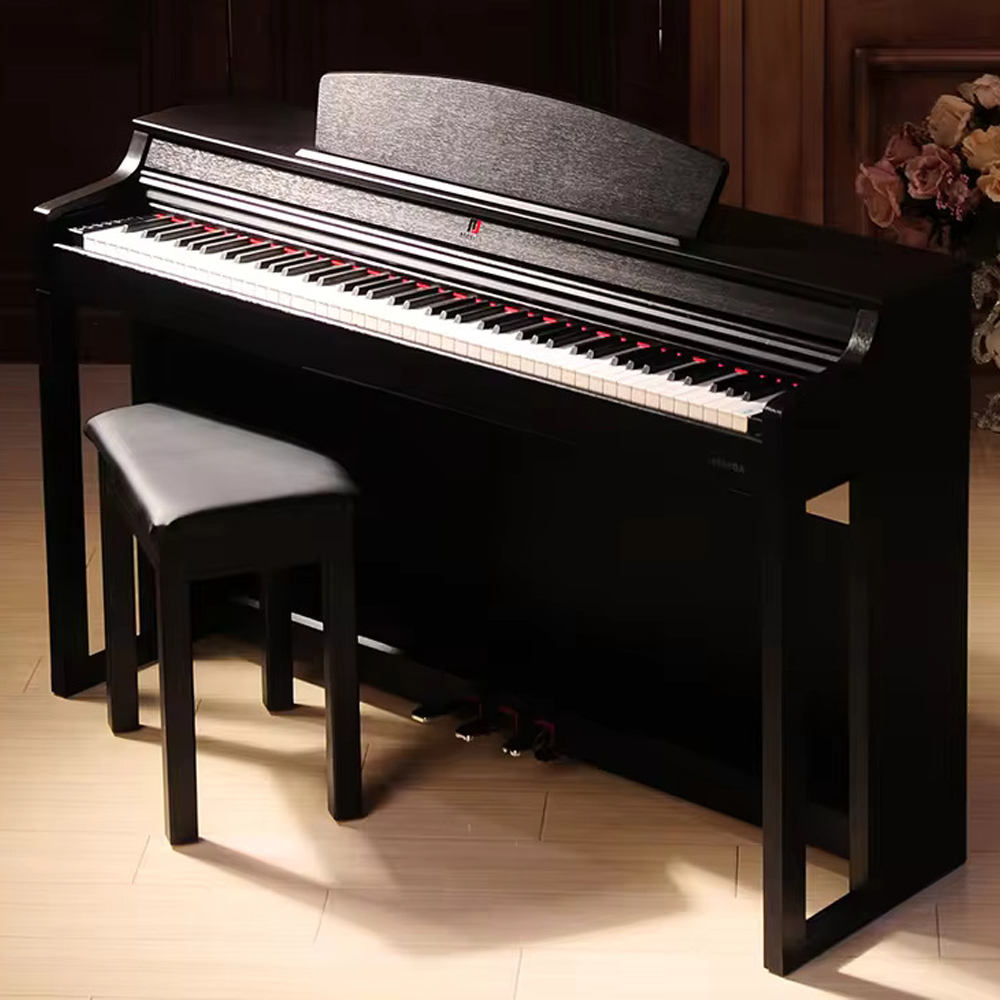
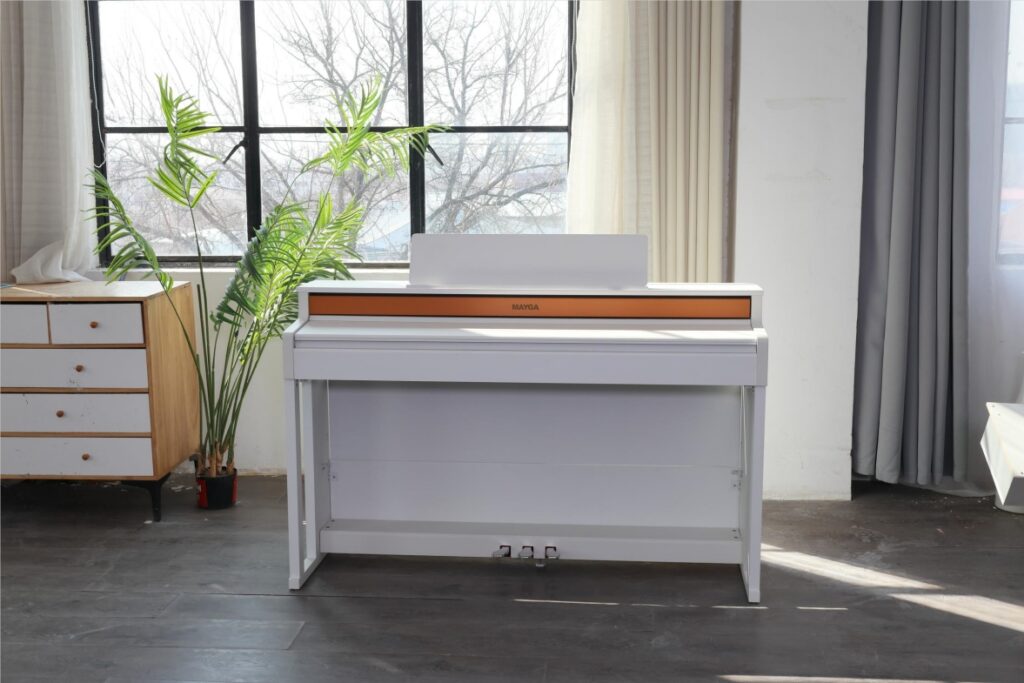
i. Mayga: Strong Value in Entry to Mid-Tier Digital
What sets them apart:
- German Concert Grand sampling at accessible prices
- Premium features (Bluetooth, wooden keys, USB audio) at lower price points
- Chinese-Korean collaboration focused on value-driven features
Key models:
- MP-100 (RM 2,500-3,500): Entry portable with Bluetooth
- MH-20/CX-200 (RM 4,000-6,000): Console furniture, 128 voices
- MH-60W (RM 8,000-10,000): Wooden keys (rare at this price)
- GP-70 (Premium): Digital grand format
When to choose: You want better features than entry-level brands without premium pricing.
ii. Wilh. Steinberg: Step-Up Acoustic with European Influence
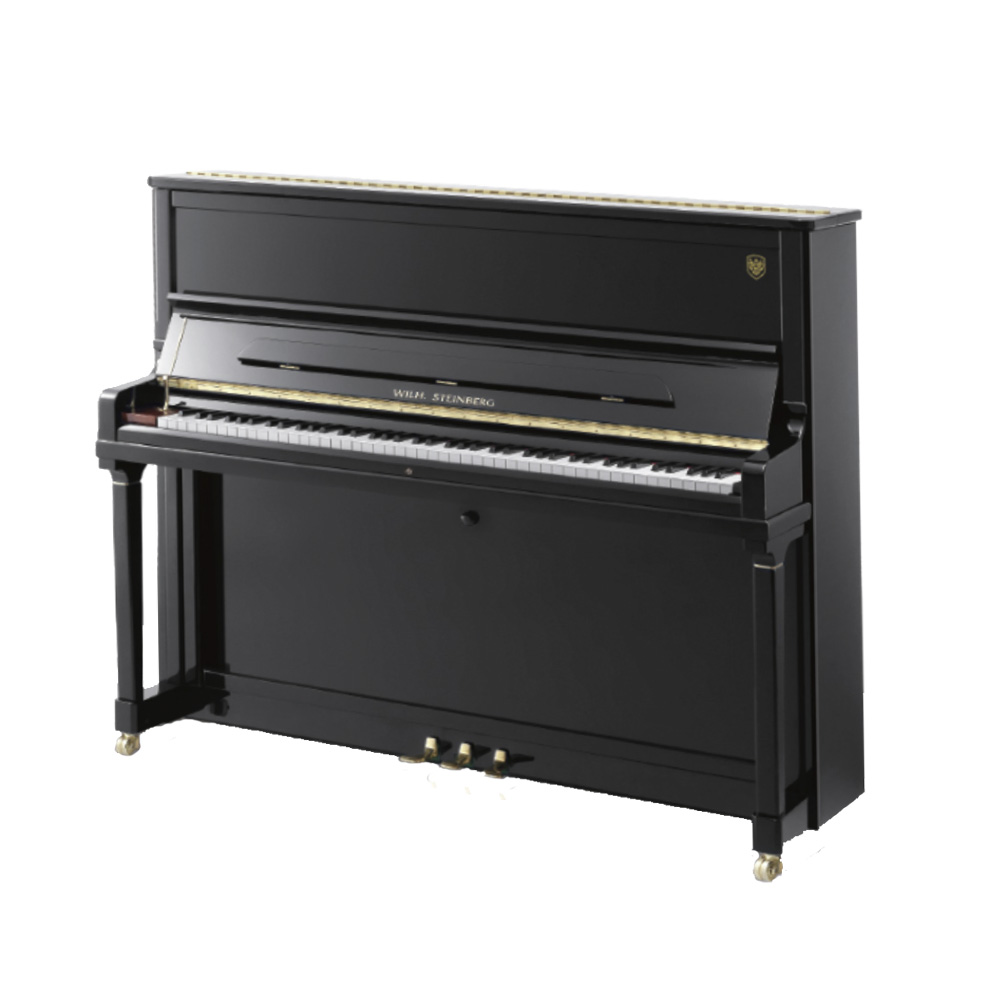
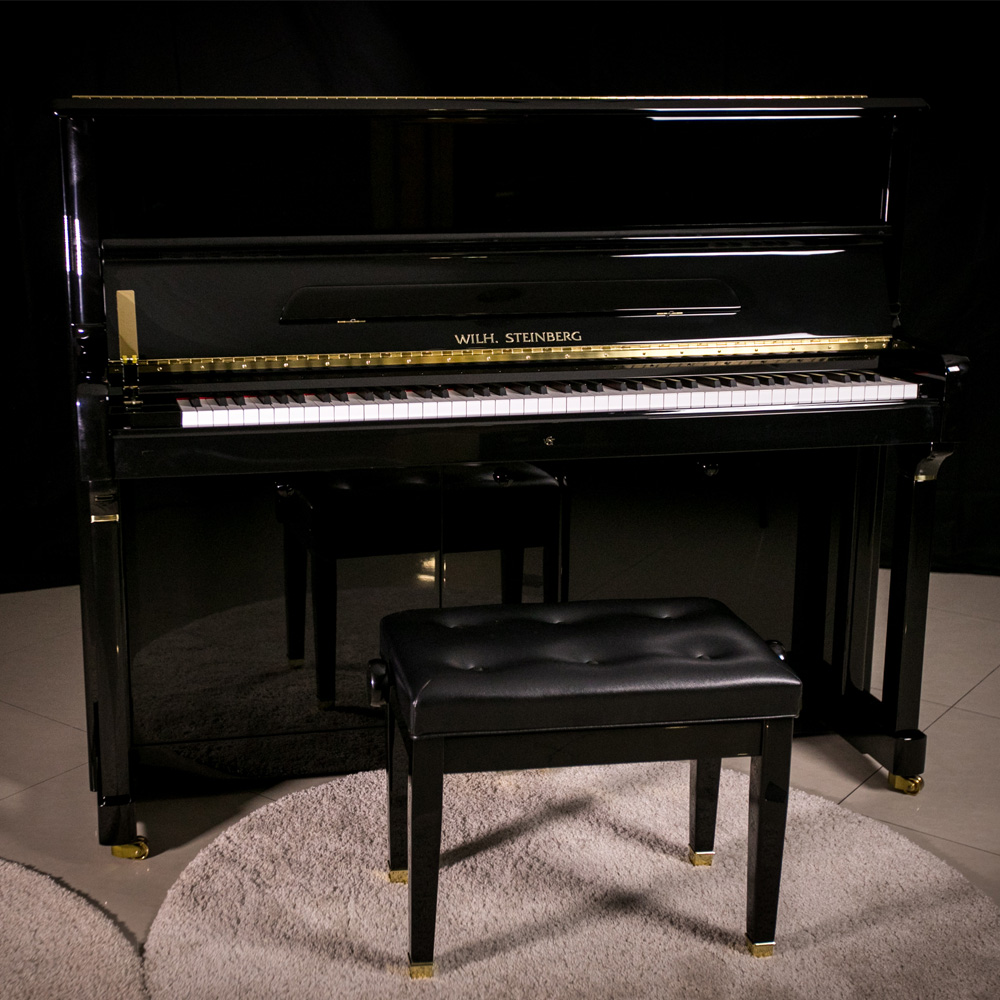
What sets them apart:
- 135+ years of German heritage from Eisenberg
- Renner actions (Signature series) — similar action supplier used in high-end European pianos
- Warmer European tone vs brighter Japanese sound
Key models:
- AT-K18/AT-K23 (RM 12,000-18,000): German engineering at Japanese pricing
- P-125E (RM 18,000-25,000): 125cm height, professional sound quality
- AT-K30/P-130S (RM 20,000-30,000): Premium uprights with Renner actions
When to choose: Classical study focus, prefer European tone, want German quality without Steinway pricing (RM 100k+).
iii. Schonbrunn: Accessible Upright for First-Time Acoustic Buyers
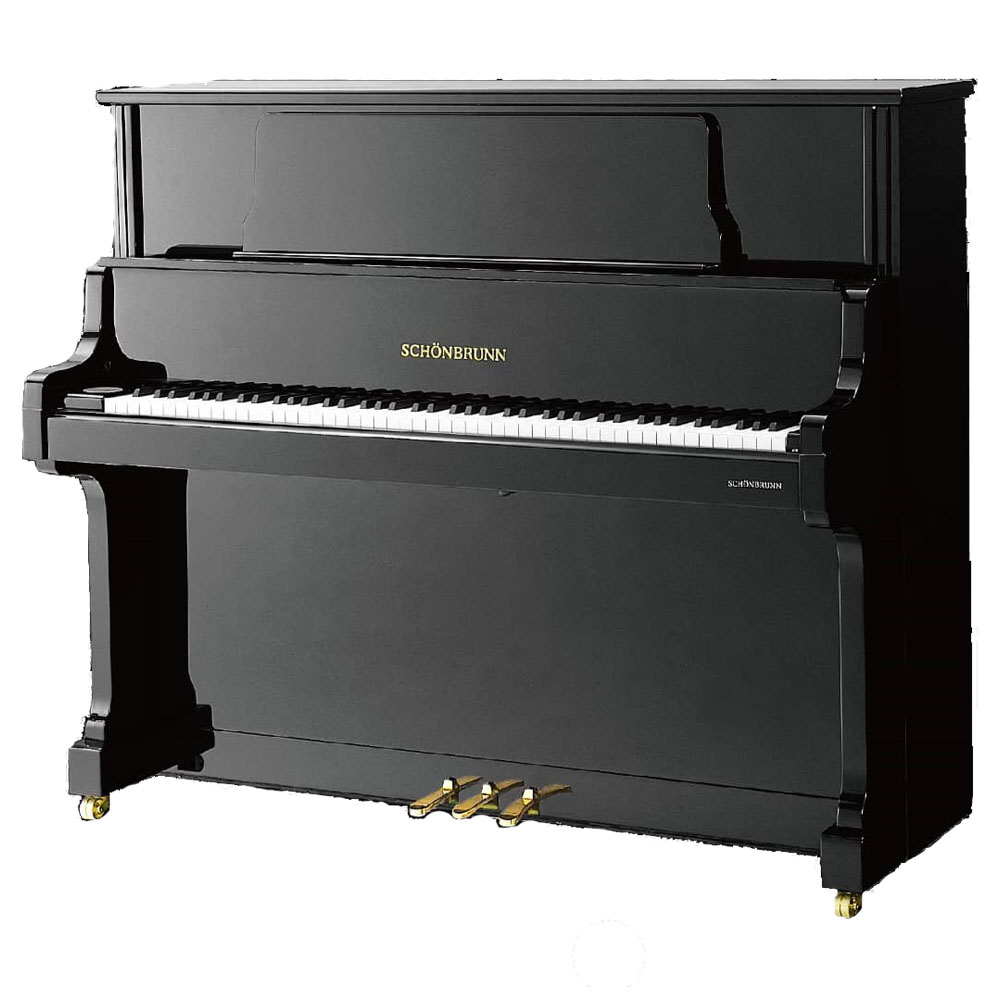
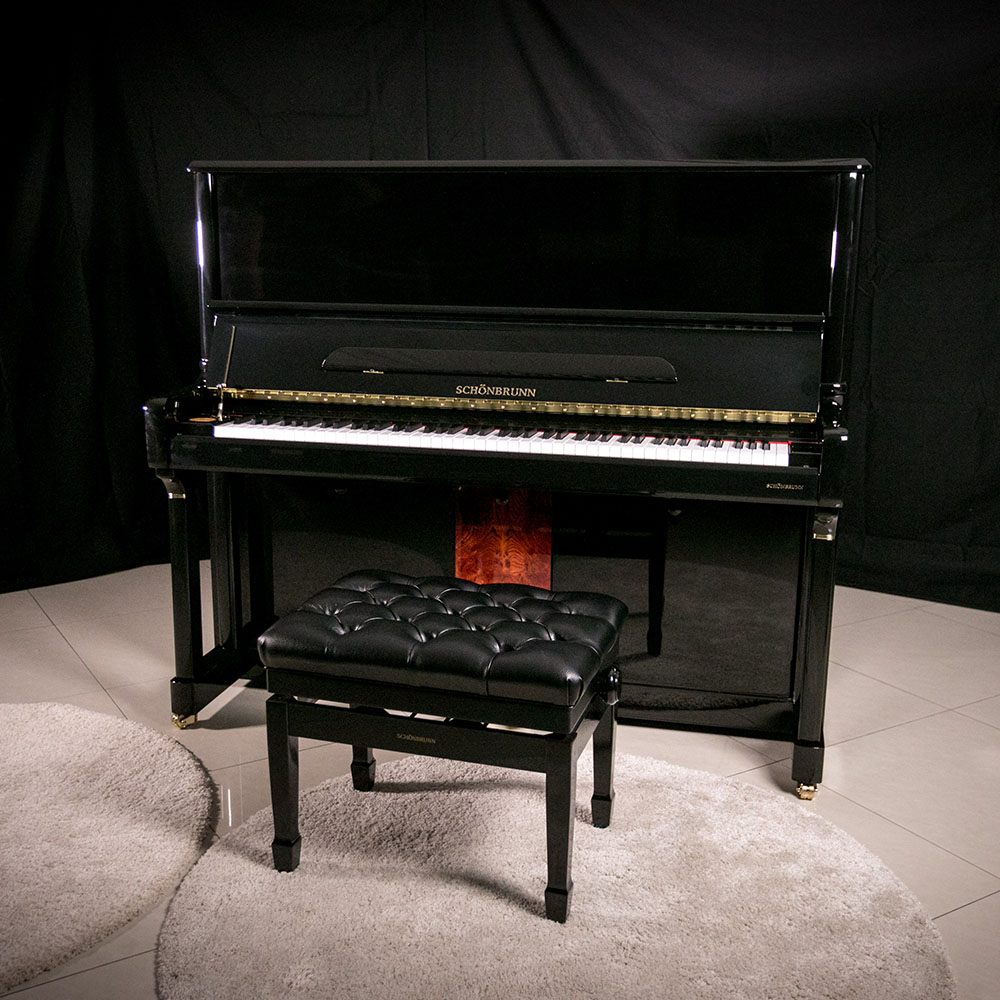
What sets them apart:
- European-style construction
- Alaska Sitka spruce soundboards, German Röslau strings
- 12-year factory warranty (longer than most)
Key models:
- XO1 (RM 8,000-12,000): Entry acoustic – 50-100% less than Japanese brands
- XO126 (RM 15,000-20,000): 126cm height, conservatory-quality sound
- XO132 (RM 18,000-25,000): 132cm, approaching baby grand tonal range
When to choose: Need an acoustic for lessons/exams with budget constraints. 12-year warranty gives peace of mind.
The True Cost of Piano Ownership
Now that you know what each price tier offers, the next question is: what does it actually cost to own one?
The sticker price is only the beginning. What matters is what you’ll spend over the next 5 years.
A cheaper piano can cost more over time—depending on what you choose.
Here’s what piano ownership actually costs in Malaysia over 5 years:
Digital Piano: Total Cost Breakdown
| Cost Category | Amount | Frequency |
|---|---|---|
| Initial Purchase | RM 2,000 – 40,000 | One-time |
| Bench (if not included) | RM 200 – 800 | One-time |
| Quality headphones | RM 200 – 800 | One-time |
| Sustain pedal upgrade (optional) | RM 50 – 300 | One-time |
| Setup Total | Piano + RM 500 – 2,000 | |
| Electricity | RM 5 – 15/month | Monthly |
| Maintenance | RM 0 | None |
| Repairs (out of warranty) | Rare | As needed |
| Annual Ongoing | ~RM 100 – 200 |
Acoustic Piano: Total Cost Breakdown
| Cost Category | Amount | Frequency |
|---|---|---|
| Initial Purchase | RM 8,000 – 200,000+ | One-time |
| Piano bench | RM 300 – 1,500 | One-time |
| Humidity control system | RM 1,000 – 3,000 | One-time (essential in Malaysia) |
| Moving/delivery | RM 300 – 2,000 | One-time |
| Initial tuning/regulation | RM 300 – 600 | One-time (if not included) |
| Setup Total | Piano + RM 2,000 – 7,000 | |
| Tuning | RM 150 – 250 per session | 2–3 times/year |
| Humidity control electricity | RM 10 – 30/month | Monthly |
| Regulation/voicing | RM 500 – 2,000 | Every 3–5 years |
| Minor repairs | RM 200 – 1,000 | As needed |
| Annual Ongoing | ~RM 800 – 1,500/year |
5-Year Total Cost Examples
| Piano | Purchase | Setup | 5-Year Maintenance | Total |
|---|---|---|---|---|
| Entry digital | RM 3,000 | ~RM 500 | ~RM 0 | ~RM 3,500 |
| Mid-range digital | RM 6,000 | ~RM 500 | ~RM 500 | ~RM 7,000 |
| Premium digital | RM 15,000 | ~RM 500 | ~RM 500 | ~RM 16,000 |
| Entry acoustic | RM 10,000 | RM 2,000 | RM 5,000 | ~RM 17,000 |
| Mid-range acoustic | RM 20,000 | RM 3,000 | RM 6,000 | ~RM 29,000 |
| Premium acoustic | RM 40,000 | RM 4,000 | RM 7,500 | ~RM 51,500 |
Malaysia-Specific Realities

Why is humidity control non-negotiable?
- Malaysia’s 70-90% humidity is destructive to acoustic pianos
- Soundboards swell and crack without control
- Strings rust faster, and actions become sluggish
- Dampp-Chaser or similar systems: RM 1,000-2,000 installed, ~RM 15-30/month to run
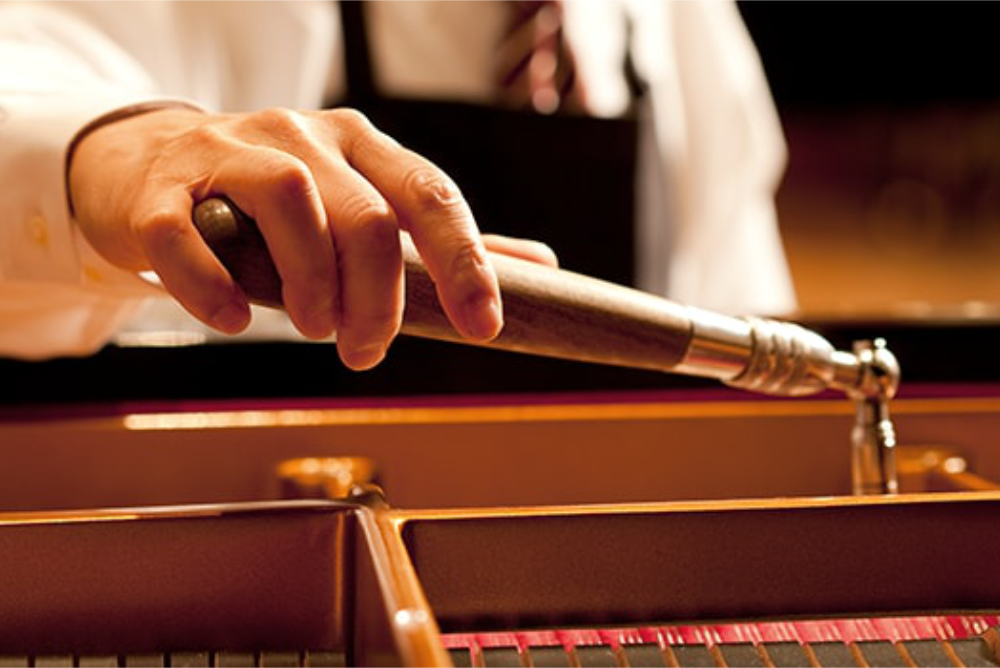
Why does tuning cost more here?
- Minimum: Twice yearly (standard recommendation)
- Ideal: Three times yearly for serious students
- New pianos: 4 times in first year (strings settling)
- Humidity fluctuations detune pianos faster in tropical climates
- Skipping tuning leads to long-term damage
- Current rates: RM 150-250 per session in Klang Valley
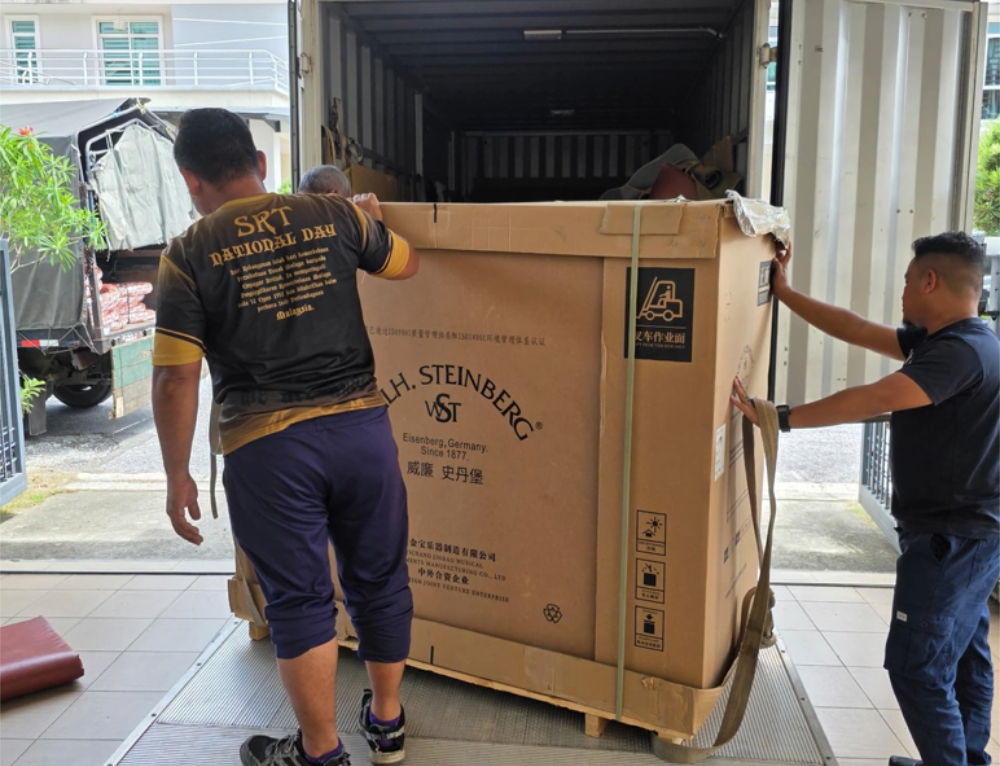
Why moving costs matter if you rent?
- Within the same floor: RM 300-600
- Between floors (stairs): RM 600-1,200
- Between cities: RM 800-2,000
- Grands cost 50-100% more to move
The Verdict
Digital Piano
- Predictable costs, lower financial commitment
- Near-zero maintenance burden
- Budget certainty over 5–10 years
Acoustic Piano
- Higher ongoing costs, greater financial commitment
- Long-term musical depth and development
- Investment in authentic piano experience
Choose based on your commitment timeline and what you value: convenience and predictability (digital) or authentic touch and tonal depth (acoustic).
The Hybrid Option (Brief Overview)
What it is: Acoustic piano with built-in silent system. Flip a switch, play through headphones while hammers don’t strike strings. Acoustic feel with digital sound.
Who it’s for:
- Needs an acoustic for study, BUT lives in an apartment
- Occasional silent practice needed
- Can afford the premium (RM 10,000-18,000 extra)
Price reality:
- Yamaha U1 with silent: ~RM 35,000-45,000
- Yamaha U1 alone: ~RM 20,000-28,000
- Yamaha CLP-745 digital: ~RM 12,000-15,000
- Buying both separately: ~RM 32,000-43,000
You can often buy a quality acoustic AND a quality digital for similar money. Unless you absolutely need one instrument, two separate pianos may serve better.
The verdict: Premium solution for specific situations. Not for beginners or those on tight budgets.
When to Upgrade
Most beginners who stay consistent start thinking about upgrading within 2-4 years. Upgrading is normal. Your first piano won’t be your last.
Here’s how that typically looks:
Year 0-2: Entry digital (RM 2,500-5,000)
Year 2-4: Mid-range digital or entry acoustic (RM 5,000-12,000)
Year 4-7: Quality digital or acoustic (RM 12,000-25,000)
Year 7+: Premium instruments if pursuing advanced/professional study
✓ Upgrade when…
- Your piano limits your playing Touch response doesn’t match your control, or you can hear the instrument’s limitations
- Your commitment level increased Started casual, now practicing 1+ hours daily or pursuing exams
- Life circumstances changed Moved to a house, schedule changed, financial situation improved
- Your teacher recommends it Preparing for Grade 6+ exams or touch sensitivity is critical for repertoire
✗ Don’t upgrade when…
- You think it’ll make you practice more It won’t — motivation comes from habit, not gear
- You’re comparing yourself to other students Your instrument isn’t the difference
- You haven’t explored your current piano Fully exhaust what you have first
- You’re shopping instead of practicing Close the tabs and go play
What Not to Do: Common Buyer Mistakes
Avoid this mistake: Choosing based on price alone without considering maintenance or long-term use.
Other mistakes to avoid:
Buying a RM 10,000 acoustic but not setting aside RM 1,000/year for maintenance.
→ Piano deteriorates, needs expensive repairs
“I’ll buy a grand piano to motivate myself to practice.”
→ Expensive instrument that intimidates rather than inspires
Buying acoustic despite a night-only practice schedule.
→ Can’t use what you bought
Buying online based on specs alone.
→ Key action doesn’t match expectations
Assuming bench, delivery, and first tuning are part of the deal.
→ Budget blown by hidden costs
Showroom Checklist
Use this checklist before and during your showroom visit. Tick off each item as you go — bring it with you on your phone.
Progress: 0 / 0 completed
Choosing a piano is one of the more personal purchases you’ll make — there’s no single right answer, only the right answer for where you are right now.
If you’ve read through all three parts of this guide, you’re already more prepared than most people who walk into a showroom. Trust your research, trust your instincts, and don’t overthink it.
Until next time,
Emusic Piano Team
Your Next Step
You have the framework:
- Part 1: Acoustic vs digital fundamentals
- Part 2: Lifestyle-based decision making
- Part 3: Budget reality and true costs
The decision is straightforward: Match your budget to your commitment level, factor in total ownership costs, and prioritise your Part 2 lifestyle needs.
Visit our showrooms:
Compare key actions across brands. Test with headphones if relevant. Bring your teacher. Take your time.
Then make your decision—and commit to the process.
Quick Budget Reference:
- RM 2,000-3,500: Entry digital (Mayga MP-100, Yamaha P-125)
- RM 4,000-6,000: Mid digital (Mayga MH-20, Kawai KDP-120)
- RM 8,000-12,000: Entry acoustic or premium digital (Schonbrunn XO1, Mayga MH-60W)
- RM 12,000-20,000: Serious student range (Wilh. Steinberg AT-K23, Schonbrunn XO126)
- RM 20,000-30,000: Advanced acoustic (Wilh. Steinberg P-125E, Yamaha U3)
- RM 30,000+: Professional territory (baby grands, premium instruments)
Budget for total cost, not just sticker price. Add 10-20% for setup and 5-year maintenance.
Prices listed are approximate and intended as a general guide. For the most current pricing and availability, visit our website or drop by any of our showrooms to compare options in person.