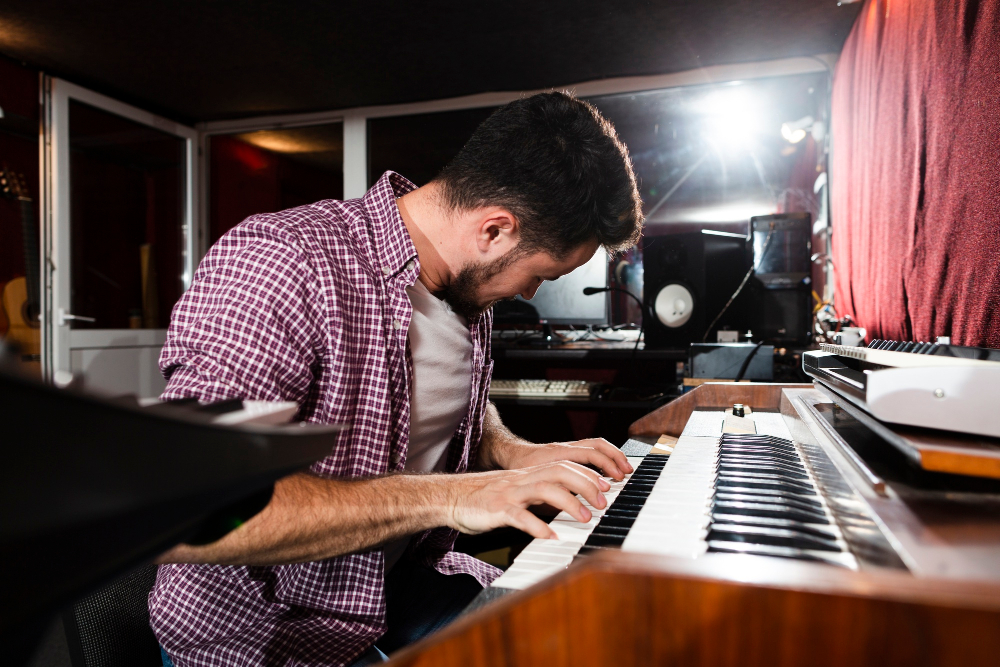
Introduction: The Piano That Fits Your Life
You already understand the difference between acoustic and digital pianos from Part 1.
Now comes the more important question:
“Which piano actually fits your life?“
Because the “best” piano on paper is useless if your schedule, living situation, or commitment level makes it hard to practice, the right piano is the one you can actually play regularly.
This guide helps you choose based on real-world use — not ideal assumptions.
The 4 Factors That Matter Most
Q1. When Can You Actually Practice?
This is often the deciding factor.
| Practice Time | Best Piano Type | Why |
|---|---|---|
| Early mornings (before 7 AM) or late evenings (after 9 PM) | Digital piano | Headphone capability is non-negotiable. |
| Flexible daytime hours (10 AM – 8 PM) | Acoustic or Digital | Noise restrictions are less critical |
Reality: Many working adults only have time after 9 PM. Without headphones, practice simply doesn’t happen.
If silent practice matters to you, a digital piano (or acoustic with a silent system) is the practical choice.
Q2. Where Do You Live?
Sound travels further than most people expect — especially through floors and shared walls.



| Living Situation | Best Piano Type | Key Considerations |
|---|---|---|
| Apartment/Condo dwellers | Digital piano (strongly recommended) | – Thin walls and structure-borne vibration are real issues
– Some buildings restrict acoustic pianos – Silent-system acoustics are an option, but cost more |
| Landed property (close neighbours) | Acoustic (feasible with care) | – Uprights are more neighbour-friendly than grands
– Placement and practice timing matter – Practice pedal can reduce volume significantly |
| Detached / rural homes | Any piano works | – Acoustic pianos become a realistic long-term option
– Volume is no longer a limiting factor |
Q3. How Committed Are You (Honestly)?
Be realistic — not optimistic.
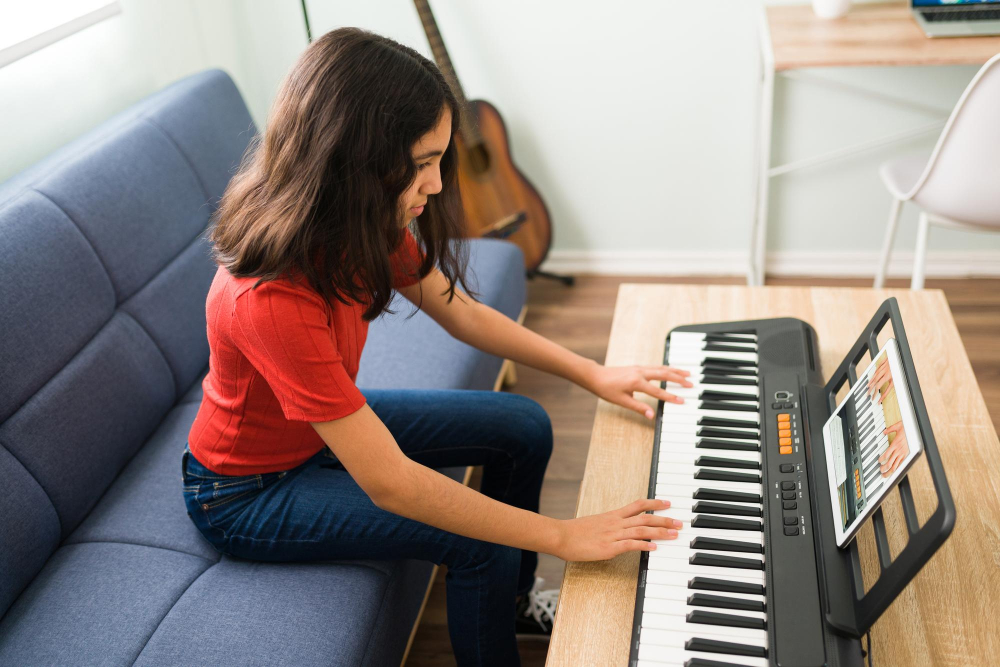
Testing the waters (0-6 months commitment):
- Entry-level or mid-range digital
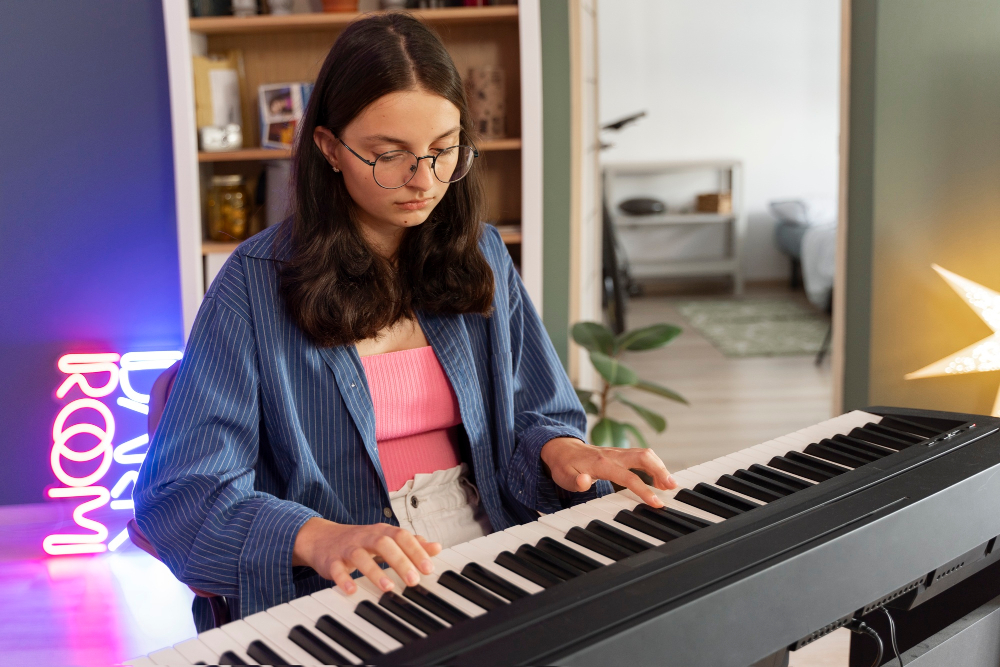
Recreational long-term (hobby player):
- Better digital or entry-level acoustic
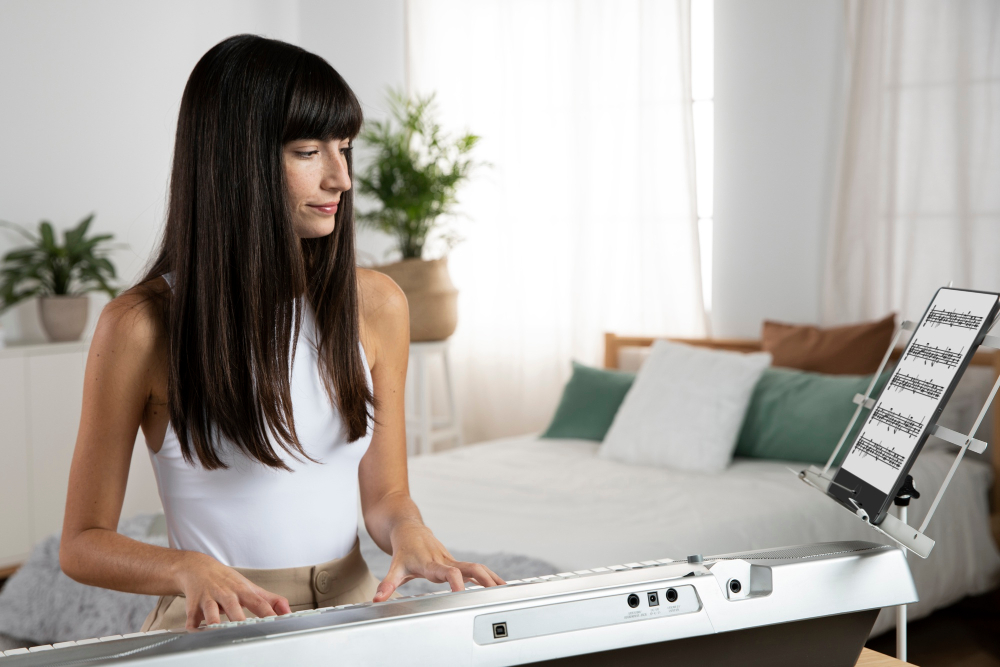
Serious study (lessons, possible exams):
- Quality digital or acoustic (teacher input matters)

Professional aspirations:
- Acoustic preferred eventually
Many players start with digital, prove their commitment, then upgrade to acoustic later. That’s a sensible and common path.
Q4. What Do You Want to Play?
Different music places different demands on the instrument.
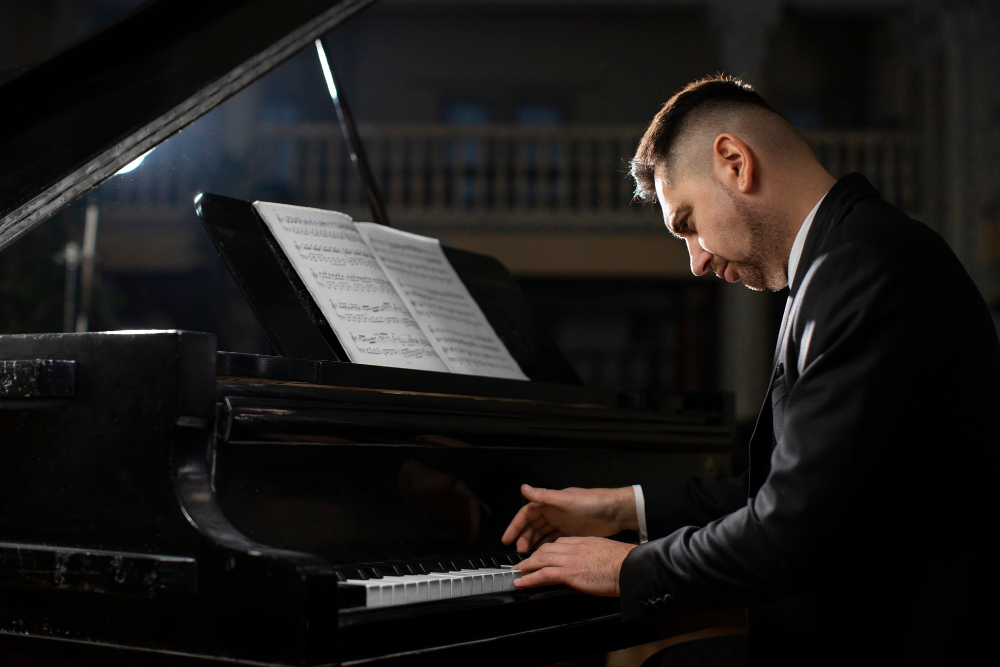
Classical
- Acoustic is ideal for long-term
- Touch and key action are critical
- Digital works for early years if the action is realistic
- Prioritise wooden keys and escapement
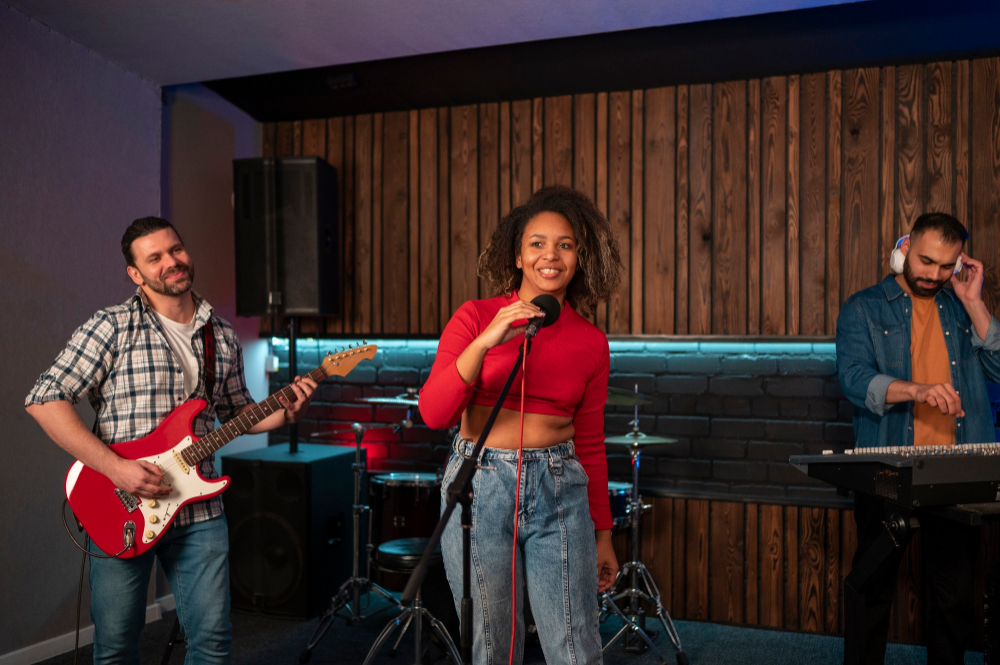
Pop / Jazz / Contemporary
- Digital often more practical
- Layering, recording, MIDI and flexibility matter
- Proper weighted action still essential
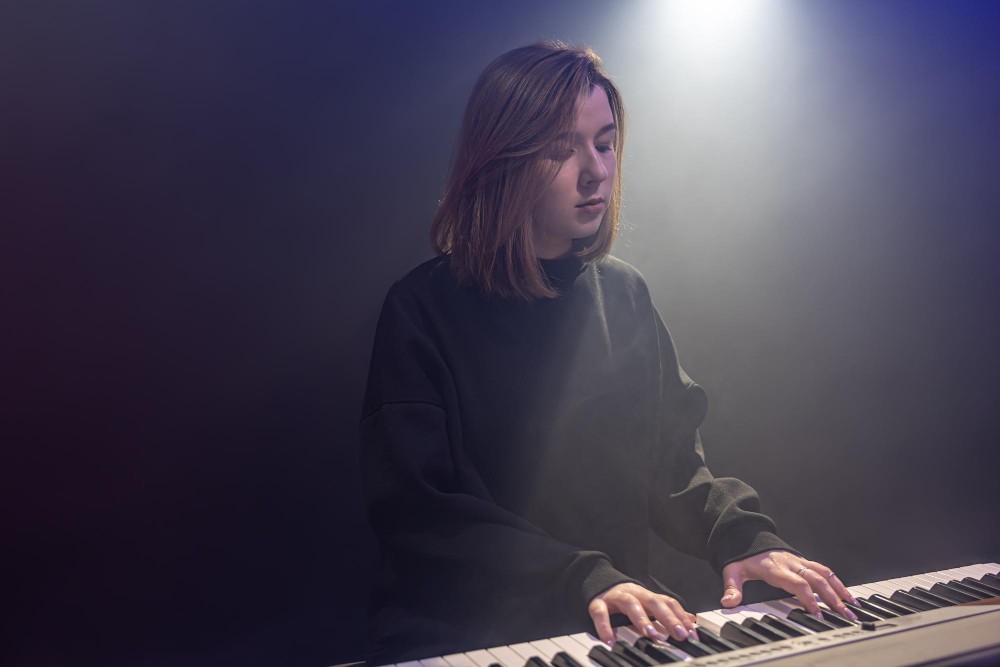
Church / Worship
- Digital is highly practical
- Multiple sounds, portability, and easy PA connection

Production / Composition
- Digital is essential
- MIDI, USB audio, low latency
- Action still matters for technique development
Common Buyer Scenarios
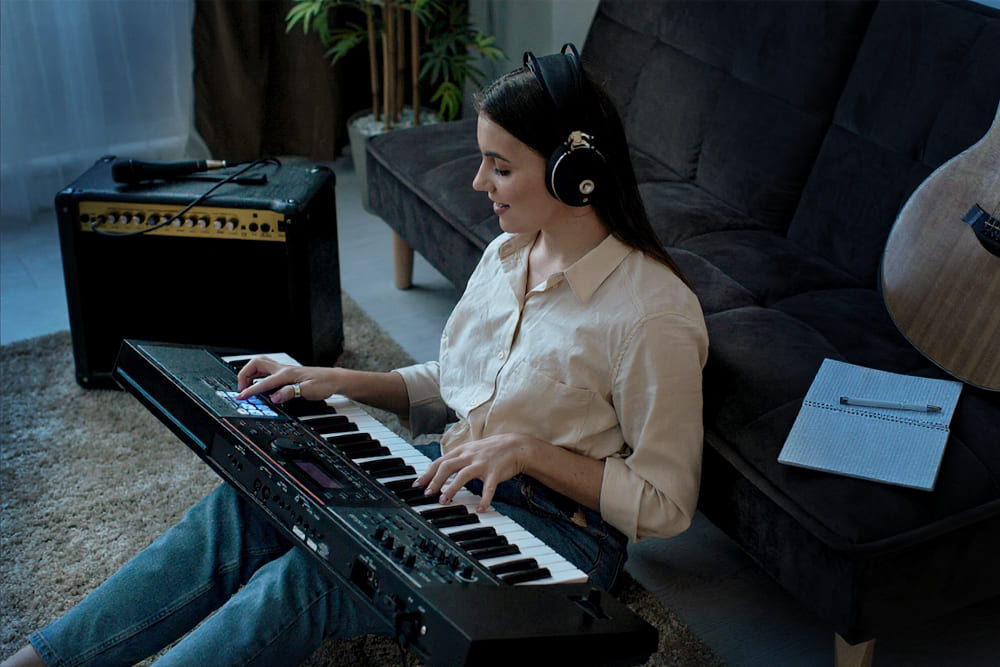
Scenario A:
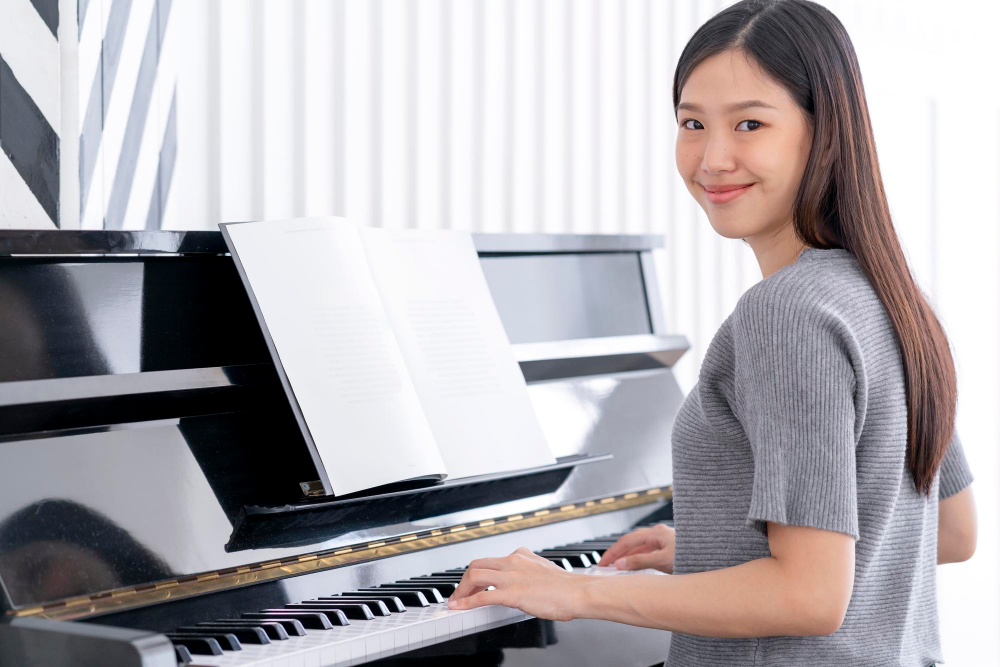
The Apartment Night Owl
Profile: Works 9–6, lives in an apartment, practices mainly after 9 PM
Verdict: Digital piano essential
Recommended: Mayga MP-100, Yamaha P-125 (entry), or Yamaha CLP-745 (higher tier)
Why: Headphone practice is crucial. A digital piano allows consistent practice without disturbing neighbours.
Scenario B:
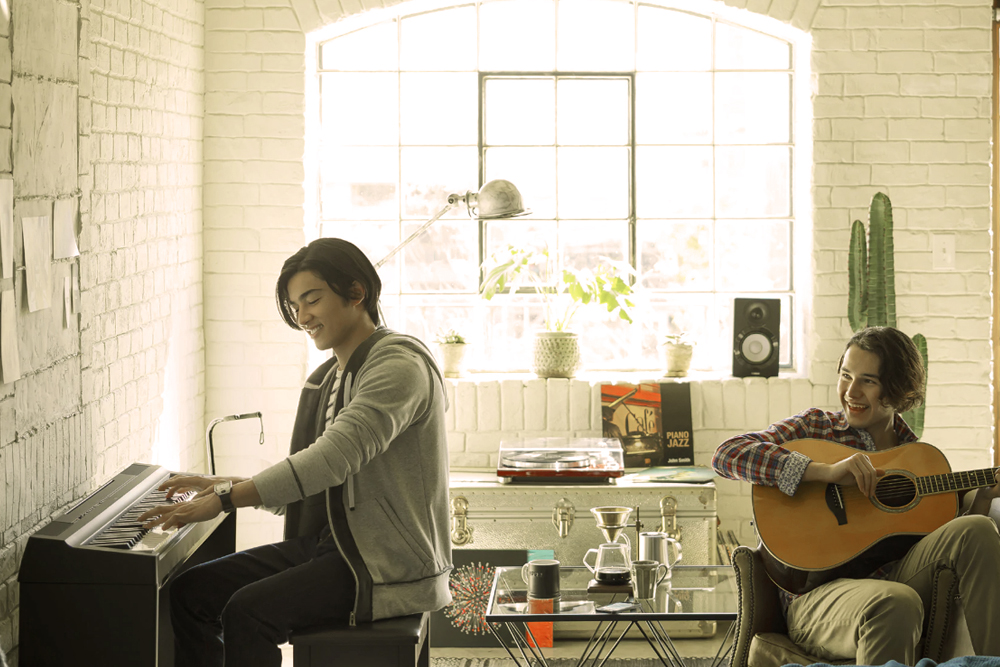
The Committed Classical Student
Profile: Taking formal lessons, has daytime practice hours, lives in a landed property
Verdict: Acoustic upright preferred
Recommended: Yamaha U1 (used), Wilh. Steinberg AT-K23, or Schonbrunn XO126
Why: Long-term classical development benefits from authentic acoustic touch and tonal response.
Scenario C:
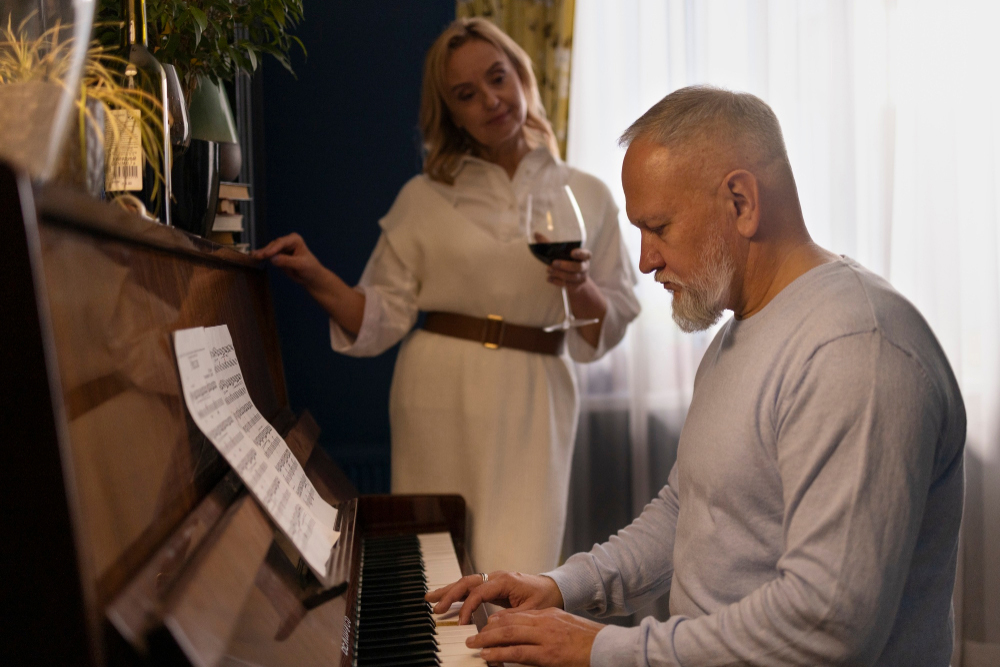
The Uncertain Beginner
Profile: New to piano, limited budget, apartment living
Verdict: Entry-level digital piano
Recommended: Mayga MP-100, Yamaha P-125, or Roland FP-30X
Why: A sensible starting point that supports proper technique without overcommitting financially.
Scenario D:
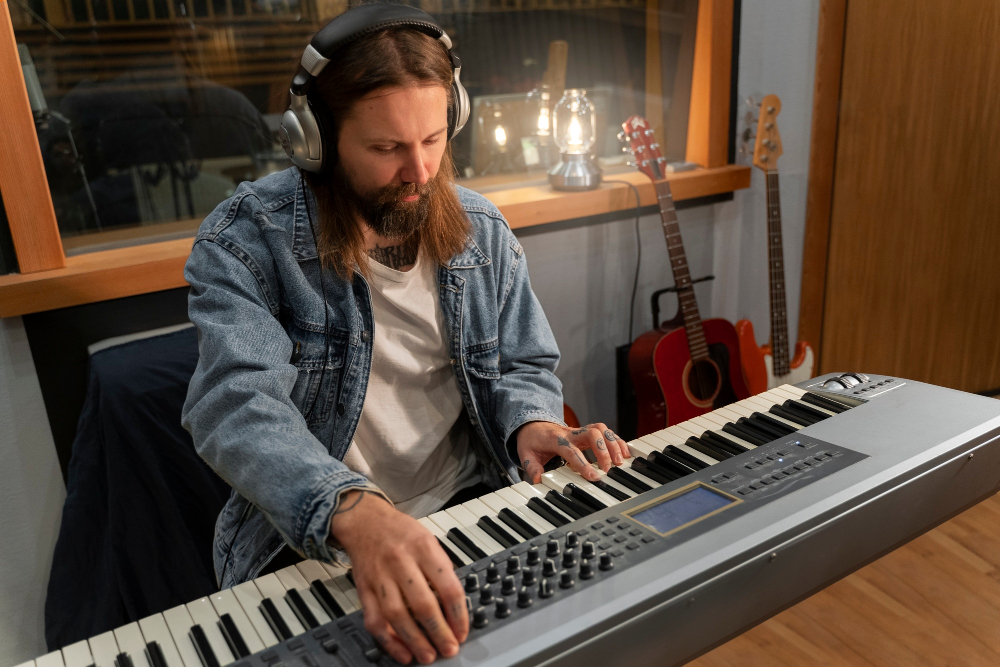
The Retired Hobbyist
Profile: Always wanted to learn, daytime availability, detached home
Verdict: Acoustic or premium digital
Recommended: Yamaha U3, Wilh. Steinberg P-125E, Schonbrunn XO132, or Kawai CA79 / Mayga GP-70
Why: You have ideal conditions for an acoustic, but premium digital offers flexibility and low maintenance.
Scenario E:
The Pop / Jazz Enthusiast
Profile: Focused on contemporary styles, interested in recording and production
Verdict: Digital piano strongly recommended
Recommended: Roland FP-90X or Yamaha P-515
Why: MIDI, recording, and sound versatility support modern playing and production workflows.
Scenario F:
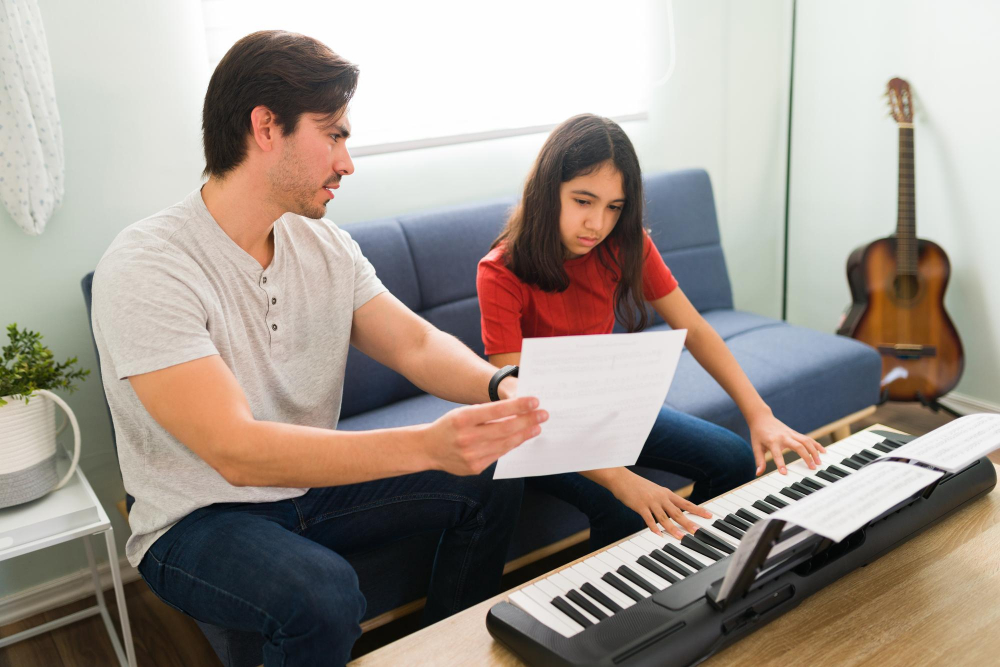
The Parent Buying for a Child
Profile: Child starting lessons, long-term commitment not yet certain
Verdict: Mid-range digital piano
Recommended: Yamaha YDP-165, Kawai KDP-120, or Mayga MH-20
Why: Supports proper learning and technique, with flexibility to upgrade as commitment grows.
What Matters More Than Features: Touch & Action
At Emusic Piano, we prioritise how a piano feels, not how many features it lists.
| Acoustic Pianos (Non-Negotiables) | Digital Pianos (Non-Negotiables) |
|---|---|
| Minimum height: 118cm+ – Taller uprights produce fuller tone and better projection (121cm+ strongly recommended) | 88 full-size weighted keys – Essential for proper piano technique and exam readiness |
| Solid spruce soundboard – Required for natural resonance and dynamic response (avoid laminated boards) | Graded hammer action – Heavier feel in bass, lighter in treble to mimic an acoustic piano |
| Well-regulated action – Even touch, consistent response, no sluggish or uneven keys | High-resolution piano sound engine – Must deliver realistic tone and dynamic range, not basic keyboard samples |
| Stable tuning and pinblock – Piano should hold tuning between regular servicing | Accurate touch sensitivity – Dynamic control must reflect how softly or firmly you play |
| Three pedals – Sustain, soft, and practice/sostenuto for proper classical technique | Proper pedal support – Sustain pedal minimum; three-pedal unit preferred for serious learning |
| Healthy structure – No soundboard cracks, severe rust, loose tuning pins, or excessive wear | Quality headphone sound – Clear, natural tone for silent practice without ear fatigue |
| Appropriate room fit – Piano size must suit the space to avoid tone choking or imbalance | Rigid stand or cabinet – Stability is critical; wobbling affects control and confidence |
A Note for Parents
Children don’t need “professional” pianos — they need proper touch and motivation.
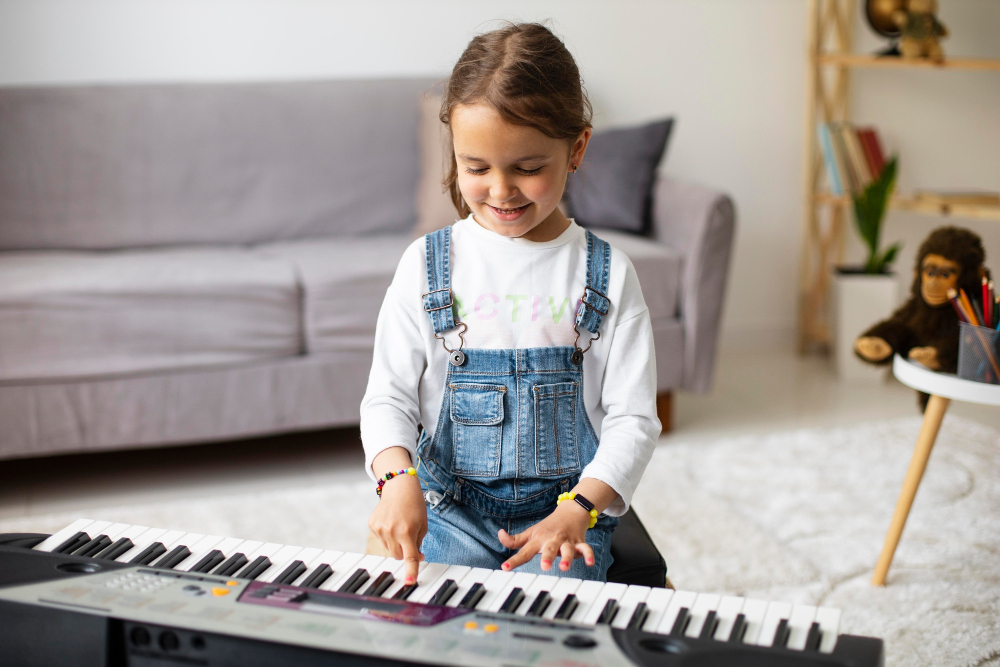
- Weighted keys are essential
- Recording and simple features can encourage practice
- Digital is often the most flexible starting point
- Upgrade only when commitment is clear
Quick Reference: Which Piano Type Fits Your Situation?
Acoustic vs Digital — In One Sentence
- Digital: flexibility, silent practice, zero maintenance
- Acoustic: unmatched touch, tone, and long-term classical development
Neither is better — the right choice depends on how you’ll actually use it.
Your Next Steps
- What will I actually use this piano for?
- Which features support MY goals?
- Am I paying for features I’ll never touch?
The “best” feature list is the one that matches your actual use case, not someone else’s idea of what piano learning should look like.
Your Action Plan
- Test key action in person
– Visit our showrooms in Puchong, Petaling Jaya, Kepong, or Johor Bahru.
– Sit with each piano for at least 10–15 minutes. Touch matters more than specs.
- Narrow to 2–3 models
– Research, watch comparisons, and consult your teacher if you have one.
- Consider used acoustics carefully
– Quality used pianos can offer excellent value — inspection is essential.
- Plan the full cost
– Bench, headphones, accessories, and maintenance all matter.
Final Thoughts
The best piano is the one that fits your life and gets played. A modest piano used daily will take you further than a “perfect” one that stays silent.
In Part 3, we’ll talk about budgets, brand tiers, and when upgrading actually makes sense.
Until then — trust your situation, trust your hands, and start playing.
Quick Decision Check
- Can I practice silently if needed?
- Am I likely to stick with this for at least a year?
- Is touch more important to me than features?
Choosing the right piano makes a real difference in learning, and we hope this guide helps you start on the right note.
Warm regards,
Emusic Piano Team